
Premier League sackings have become one of the defining stories of the 2025/26 season, with managerial changes happening at an unusually high rate.
We have witnessed a surge in Premier League managers sacked this season, reaching a record high compared to recent campaigns.
20 managers started the season, but only nine have managed to keep their jobs as we approach the closing stages, with the rest being dismissed along the way.
This trend has sparked widespread conversations about Premier League sackings, and the big question remains: what’s been the driving force in the managerial turnover this season?
Premier League Sackings: How Many Managers Have Already Been Dismissed?
The scale of Premier League managerial changes this season has been remarkable, with 11 coaches dismissed either by sacking or by mutual consent.
Nuno Espirito Santo became the first on the list of Premier League managers sacked, after being relieved of his duties on September 8, 2025, just three league games into the new season with Nottingham Forest.
Shortly after, Graham Potter followed, sacked on September 27, 2025, after managing just one win in five matches while struggling to implement his style at West Ham United.
That instability at Nottingham Forest quickly continued, as Ange Postecoglou, who replaced Nuno Espirito Santo at the club, was also given the marching orders on October 18, 2025, after going winless in eight matches, with Sean Dyche stepping in.
Elsewhere, Vítor Pereira of Wolverhampton Wanderers was dismissed on November 2, 2025, after failing to win any of his first 10 league games.
As the season progressed, Enzo Maresca departed Chelsea by mutual consent on January 1, 2026, following a breakdown in his relationship with the board, and was replaced by Liam Rosenior.
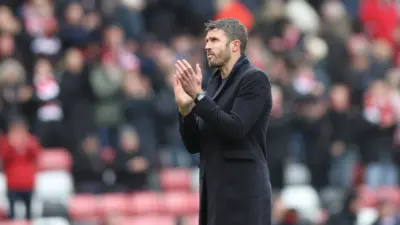
Just four days later, on January 5, 2026, Ruben Amorim was sacked by Manchester United due to a poor overall win rate, with Michael Carrick taking over on an interim basis.
By February, Thomas Frank joined the growing list after being dismissed on February 11, 2026, following a prolonged winless run that left Tottenham Hotspur struggling in 16th place, and Igor Tudor replaced him at Spurs.
In an ironic twist, Sean Dyche, who became Nottingham Forest’s third manager of the season, was sacked just a day later on February 12, 2026, after only 114 days in charge.
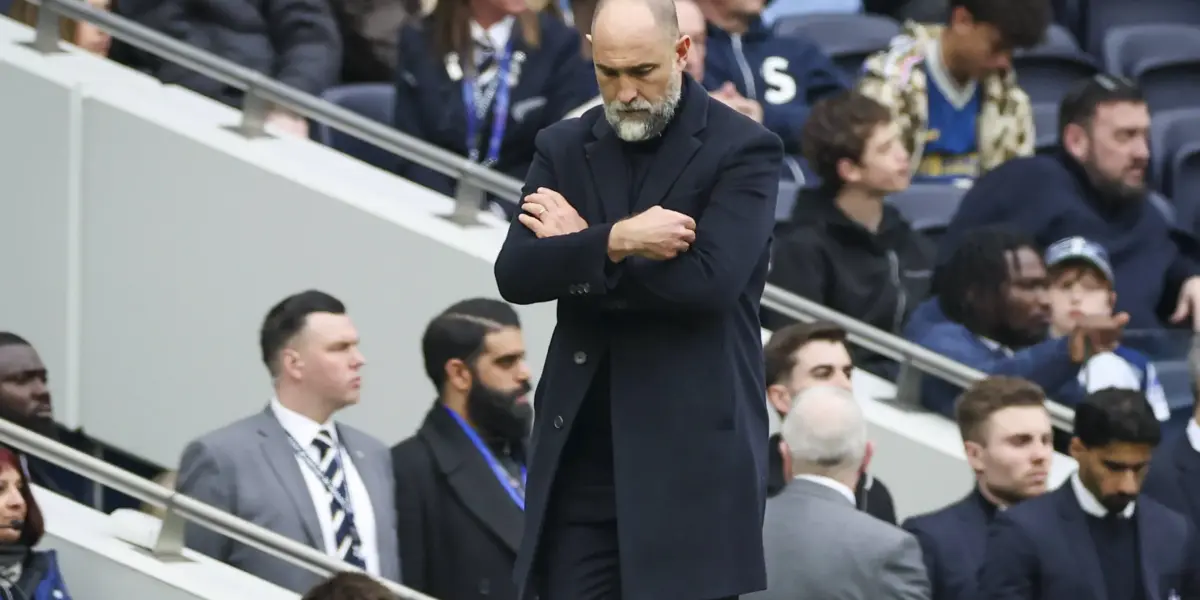
The instability continued at Tottenham, as Igor Tudor also left the club by mutual consent after failing to win any of his five league matches, leaving them hovering just above the relegation zone.
Meanwhile, Liam Rosenior later joined the list after a disastrous run at Chelsea, including five straight league defeats without scoring.
Finally, Scott Parker became the latest casualty, departing Burnley on April 30, 2026, after the club was relegated to the Championship.
Nottingham Forest leads the Premier League sackings tally with three managers dismissed this season, highlighting the instability at the club.
In total, the league has seen 11 managerial changes so far, second only to the record of 14 in the 2022/23 season.
Results vs Expectations: Why Poor Form Still Drives The Sackings
One of the biggest drivers behind Premier League managers being sacked this season is still poor form.
When managers fail to put together winning or even stable runs, pressure quickly builds from fans and boards, often leading to dismissal. Nottingham Forest is a clear example, sacking three managers after repeated winless streaks dragged them into the relegation zone.
Liam Rosenior’s case at Chelsea also stands out. A run of five league games without scoring, combined with the risk of missing out on UEFA Champions League qualification, proved enough to end his tenure.
Similarly, both Thomas Frank and Igor Tudor at Tottenham suffered from prolonged winless runs, which ultimately led to their exits.
YOU MAY ALSO LIKE: Remaining Bundesliga Decisions: Plenty Of Drama Left In The German Top-Flight
Tactical Mismatches: When A Manager’s System Doesn’t Fit The Squad
Tactical incompatibility has been another major factor behind Premier League sackings this season.
Many Premier League manager changes have not been about incompetence, but rather a mismatch between a coach’s philosophy and the squad at their disposal.
Ange Postecoglou’s high-intensity pressing system at Nottingham Forest clashed with a squad built for a low block and counter-attacking style, leading to fatigue, injuries, and poor results.
Graham Potter faced similar issues at West Ham, where his possession-based approach did not suit a team more comfortable playing direct football. The result was disjointed performances and defensive vulnerabilities.
Igor Tudor also struggled at Tottenham, where his physically demanding pressing system didn’t align with the squad profile, further contributing to inconsistent performances.
These mismatches often arise when clubs appoint managers based on philosophy without considering whether the squad can actually execute it, one of the key reasons behind the growing number of Premier League manager changes.
Financial Pressure: The Cost Of Failure In The Premier League
The financial stakes in the Premier League are massive, and they play a huge role in driving Premier League sackings.
This season alone, the total cost of managerial dismissals is estimated to be around £47 million, including compensation and staff payouts.
Despite this, clubs often see sacking a manager as the lesser financial risk compared to continued poor performance. Relegation alone can cost a club over £60 million in lost revenue, not to mention drops in sponsorship and player value.
Missing out on European competitions is another key factor. UEFA Champions League qualification can bring anywhere between £50 and £100 million per season, making it a huge incentive for clubs to act quickly when results dip.
These financial realities are a major reason why the number of Premier League managers sacked continues to rise.
Premier League Sackings: Are Clubs Becoming More Impatient Than Ever?
The growing number of Premier League managers sacked this season clearly reflects increasing impatience among club owners.
Several managers have been dismissed after extremely short spells. Ange Postecoglou lasted just 39 days at Nottingham Forest, while Igor Tudor spent only 44 days at Tottenham.
Owners now treat clubs more like high-stakes investments, expecting immediate results. When those expectations are not met, decisions are made quickly.
Fan pressure and social media reactions have also played a role, often accelerating decisions as clubs try to respond to growing criticism.
Ultimately, the rise in Premier League sackings this season shows that managerial stability is gradually disappearing, with clubs prioritising instant success over long-term projects.
Main Photo
Credit: IMAGO /Every Second Media
Recording Date: 22.03.2026