
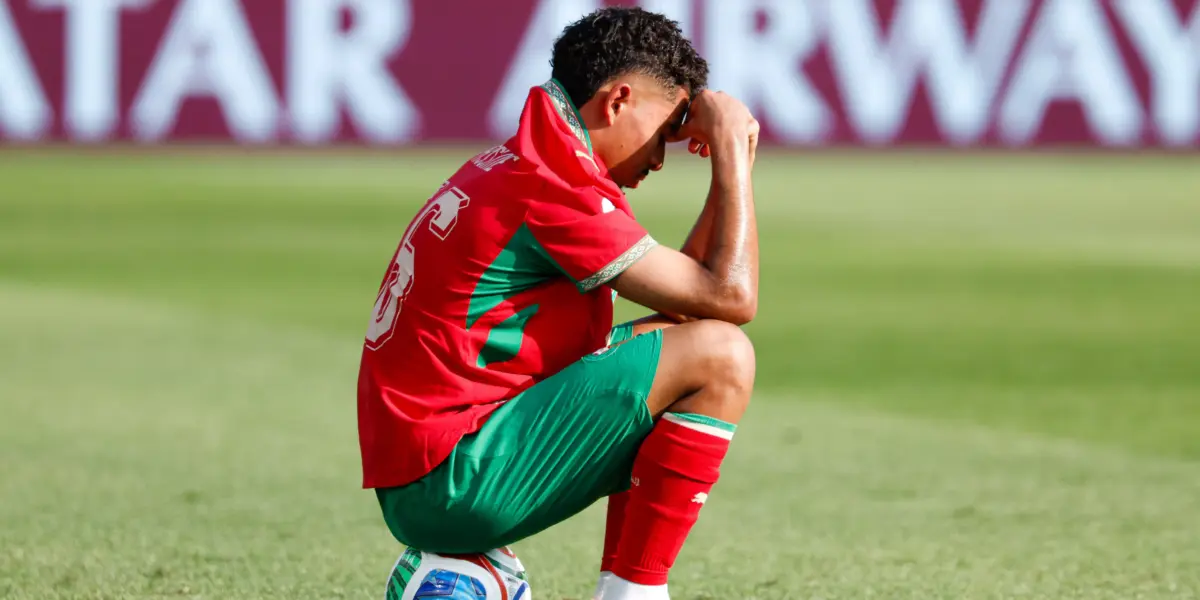
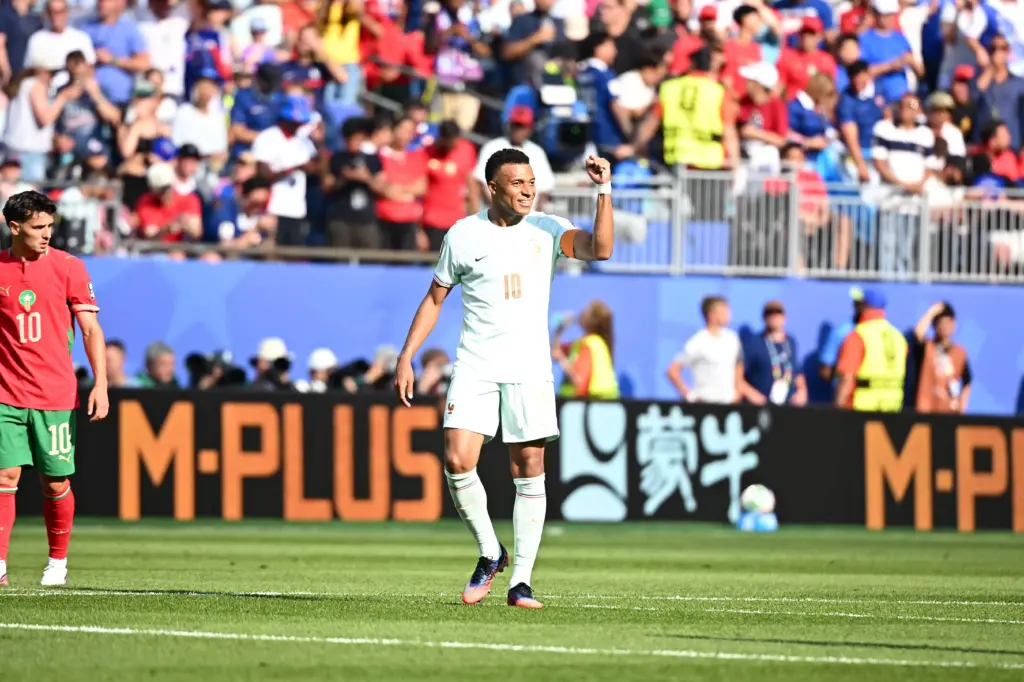
The African teams World Cup campaign has ended in heartbreaking fashion, with Morocco becoming the final African nation to exit the tournament after a 2-0 loss to one of the World Cup 2026 favourites, France.
While each elimination came under different circumstances, a worrying pattern united almost every African team: when the biggest moments arrived, they struggled to see games through.
Before the tournament began, Africa had 10 representatives in the newly expanded 48-team World Cup, raising hopes that the continent could produce its strongest campaign in history.
Because of this, many believed multiple nations had the quality to reach the latter stages and perhaps even challenge for the trophy.
The manner of those eliminations has sparked debate over whether the mentality of African nations at the World Cup has continually held the continent back.
And watching these African teams play, one cannot conclude that they have been consistently outplayed, outclassed or tactically overwhelmed by football’s traditional powerhouses.
In many of their knockout matches, they matched or even outperformed their opponents for long spells, creating chances, defending resolutely and putting themselves within touching distance of historic victories.
The problem has come when it mattered most – seeing out the game.
Time and again, just as qualification, victory or a famous upset appeared within reach, concentration levels dropped, composure disappeared, schoolboy errors set in, and games slipped away in the closing stages.
The growing pattern of African teams conceding late goals has ultimately become one of the defining stories of the tournament.
The Painful Pattern Haunting African Teams World Cup 2026 Hopes
After impressive group-stage displays from African nations at the World Cup, nine of the ten representatives progressed to the knockout rounds, an achievement that initially suggested the continent was on course for its greatest-ever World Cup campaign.
Instead, the knockout stage has turned into a catalogue of heartbreaking collapses.
South Africa, who received limited backing from fellow African supporters following the xenophobic attacks that strained relations with other nations, suffered a cruel 1-0 defeat to Canada after conceding in the 91st minute.
Côte d’Ivoire fought back brilliantly against Erling Haaland’s Norway to level the match midway through the second half, only to concede again in the 86th minute and see their World Cup dream come to an end.
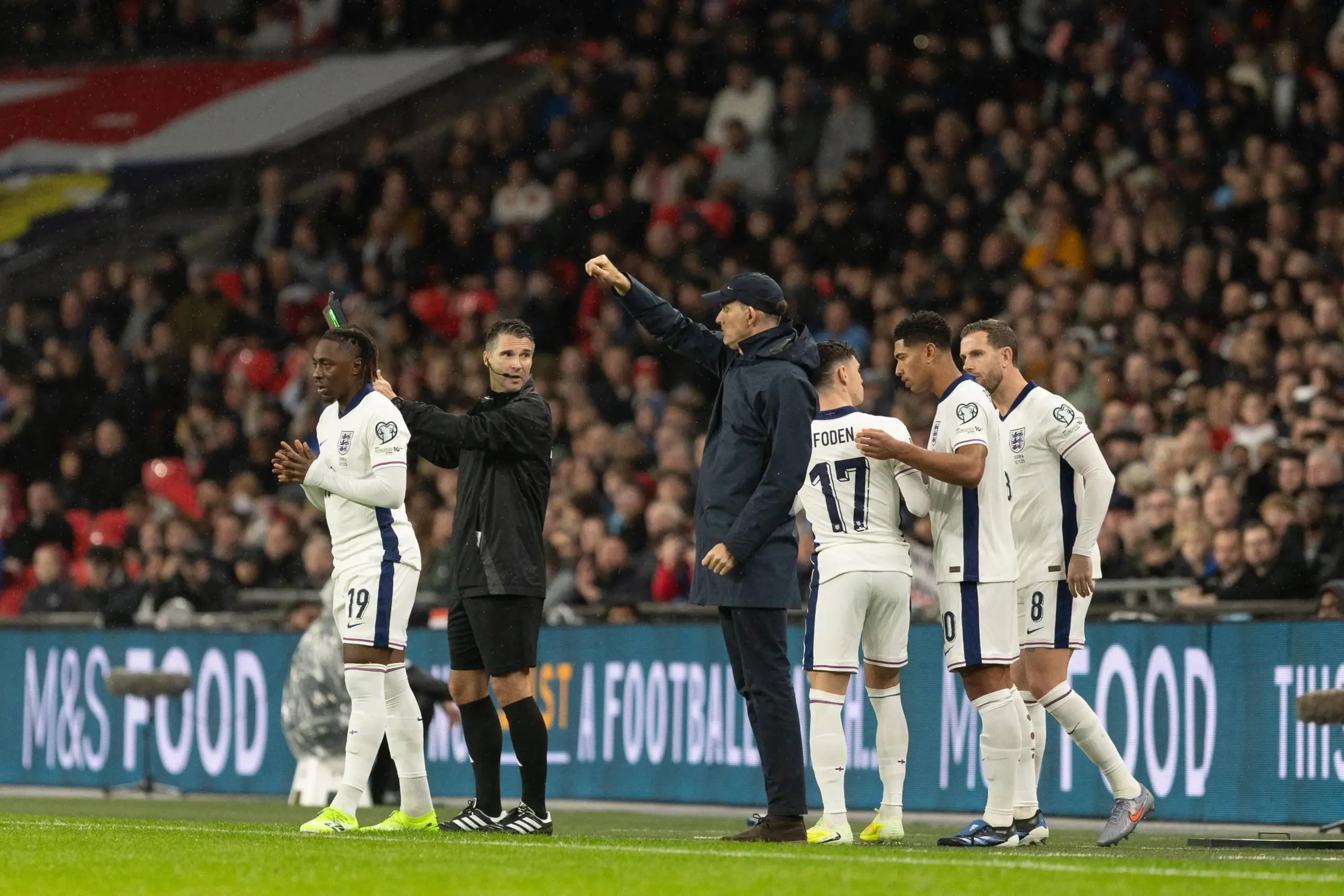
DR Congo looked set to produce one of the tournament’s biggest upsets after taking an early lead against Thomas Tuchel’s England. However, goals in the 75th and 86th minutes completed England’s comeback and ended the Congolese side’s remarkable run.
Perhaps the most devastating collapse belonged to AFCON finalists Senegal.
The Teranga Lions produced one of the finest performances of the Round of 32 and held a comfortable two-goal advantage over Belgium before everything unravelled.
Two goals conceded within three minutes wiped out their lead before a heartbreaking 125th-minute penalty in extra time completed a dramatic 3-2 defeat.
Argentina also left lasting scars on African football by producing late comebacks against both Cape Verde and Egypt.
Cape Verde pushed the defending champions all the way and were widely praised by pundits as the better side for much of the contest.
Yet their resistance ended in cruel fashion when an own goal in the 111th minute sent Argentina through.
The Egypt vs Argentina encounter was equally heartbreaking. The Pharaohs looked on course for one of the greatest victories in their football history before Lionel Scaloni’s side scored three goals in the final 12 minutes to complete an astonishing comeback.
When viewed individually, each defeat can be explained away as misfortune or a moment of brilliance from the opposition.
Taken together, however, they reveal a far more concerning trend.
The negative recurring pattern African teams have faced suggests that the continent’s biggest obstacle is no longer talent or tactical quality, but the ability to maintain concentration, manage pressure and control matches during the decisive final minutes.
Until African nations solve that problem, promising World Cup campaigns may continue to end in the same heartbreaking fashion – watching history slip away when it is closest to being made.
MORE FOR YOU: Karim Adeyemi To Barcelona: Why Hansi Flick Sees Him As The Answer To The Blaugrana’s Biggest Attacking Need
Africa’s 2026 World Cup Campaign: The Psychological Shift That Changes Everything
One of the most striking patterns throughout the African teams World Cup 2026 campaign has been what can best be described as the “defend the lead” panic.
At some point during these matches, self-belief appears to disappear. Rather than trusting the aggressive, front-foot football that earned them the lead, several African teams instinctively retreat into their own half once they move ahead on the scoreboard.
The pressing becomes less coordinated, the defensive line drops deeper, and possession is repeatedly booted back to the opposition through rushed clearances.
The clearest example came in Senegal’s dramatic collapse against Belgium.
With a 2-0 lead and only minutes remaining, the Teranga Lions looked to have one foot in the next round.
They had frustrated one of Europe’s strongest teams, containing the attacking threat of Jérémy Doku, Romelu Lukaku and Kevin De Bruyne through intelligent pressing, quick transitions and a fearless attacking approach.
Yet instead of continuing with the style that had brought them success, Senegal gradually abandoned it.
The midfield stopped stepping out to engage Belgian attackers, while the defensive line retreated closer and closer to its own penalty area.
Each clearance simply invited another wave of Belgian pressure until the breakthrough finally arrived. From that moment, the momentum completely shifted, and Senegal never regained control of the contest.
The same pattern was evident in the defeats suffered by DR Congo and Egypt.
After taking the lead, both teams abandoned the proactive football that had caused England and Argentina so many problems. Instead of continuing to press high and force mistakes, they became increasingly focused on protecting what they already had.
That subtle psychological shift completely changed the complexion of both matches.
Egypt’s performance was perhaps the most telling. Holding a two-goal advantage, their approach from the very start of the second half suggested they were content to defend their lead rather than extend it.
The attacking intent that had troubled Argentina all but disappeared, replaced by a deep defensive block that allowed Lionel Scaloni’s side to dominate possession and build sustained pressure.
Against a team that has one of the greatest players in world football, Lionel Messi, surrendering territory and possession would always be dangerous.
Argentina patiently waited for the openings to appear and ultimately punished Egypt’s passive approach with a stunning late comeback.
This mentality is not exclusive to the 2026 tournament. It has affected numerous African nations at the World Cup across previous editions, where promising performances have too often been undone by an overwhelming desire to protect a lead instead of continuing to play with the confidence that created it in the first place.
Morocco’s World Cup Exit Completed the Pattern
Before their quarter-final against France, Morocco had shown greater psychological resilience than many of the other African nations at the 2026 World Cup, but ultimately they became the latest example of the problem.
Unlike their continental rivals, who collapsed after taking the lead, Morocco’s challenge was different. From the opening whistle, they appeared to approach France with excessive caution.
Rather than playing with the confidence and intensity that had defined much of their tournament, the Atlas Lions struggled to impose themselves, created very few clear-cut chances in the first half and often looked content to react instead of dictate the game.
For the only African side widely considered capable of troubling France and breaking the cycle, it was a surprisingly timid performance.
At times, Morocco appeared to give the French too much respect, allowing Didier Deschamps’ side to control the tempo and gradually grow into the contest.
Whether it was a psychological barrier or simply the pressure of the occasion, Morocco failed to match France with the same aggression and belief they had shown against previous opponents.
Throughout the tournament, the Atlas Lions had displayed the composure, defensive organisation and tactical discipline that set them apart from many other African nations.
However, against Didier Deschamps’ team, even those qualities deserted them when the pressure intensified.
Unable to withstand France’s sustained second-half dominance, Morocco conceded twice in the space of six minutes, bringing both their World Cup dream and Africa’s campaign to an end.
That is why the biggest lesson from Africa’s 2026 World Cup campaign is not that the continent lacks talent or tactical quality. The tournament proved the opposite.
The challenge now is developing the mentality, composure and game management needed to turn outstanding performances into historic victories.
YOU MAY ALSO LIKE: Kylian Mbappe World Cup Numbers Are Not Only Wonderful But They Are Plain Scary
How African Football Can Finally Break the World Cup Barrier
The 2026 World Cup campaign should serve as a wake-up call for African football. They must now place greater emphasis on developing psychological resilience, emotional control, and late-game decision-making.
Players must be trained not only to play under pressure but to embrace and enjoy it. Coaches must prepare their teams for both halves and not just one.
There are encouraging signs that Africa no longer trails the world’s elite in terms of talent, with the continent continuing to produce some of the finest footballers on earth.
Physically, African teams might have an advantage. But technically, the gap has never been smaller. Tactically, the performances have shown throughout the tournament that they are capable of going toe-to-toe with the traditional powerhouses.
If they can combine its extraordinary talent with greater psychological strength and smarter game management, there is every reason to believe the continent will produce not just another World Cup quarter-final run but, eventually, a country that could go on to win the World Cup.